The Evolution of Tent Designs: Innovations Shaping Modern Camping Experiences
In recent years, the world of camping has witnessed remarkable transformations, particularly in the realm of tent design. From traditional canvas structures to high-tech materials that withstand harsh weather conditions, modern tents are engineered to meet diverse needs while enhancing comfort and durability.
This evolution reflects both technological advancements and changing consumer preferences, making today’s tents more versatile than ever before. Whether you’re an avid camper seeking adventure or a casual outdoor enthusiast, understanding these innovations can significantly elevate your experience in nature.
Understanding Tent Categories Based on Design
Tent designs vary widely depending on their intended use, which influences everything from material selection to structural integrity. Understanding these categories helps campers choose the right type based on their specific requirements and environments they plan to explore.
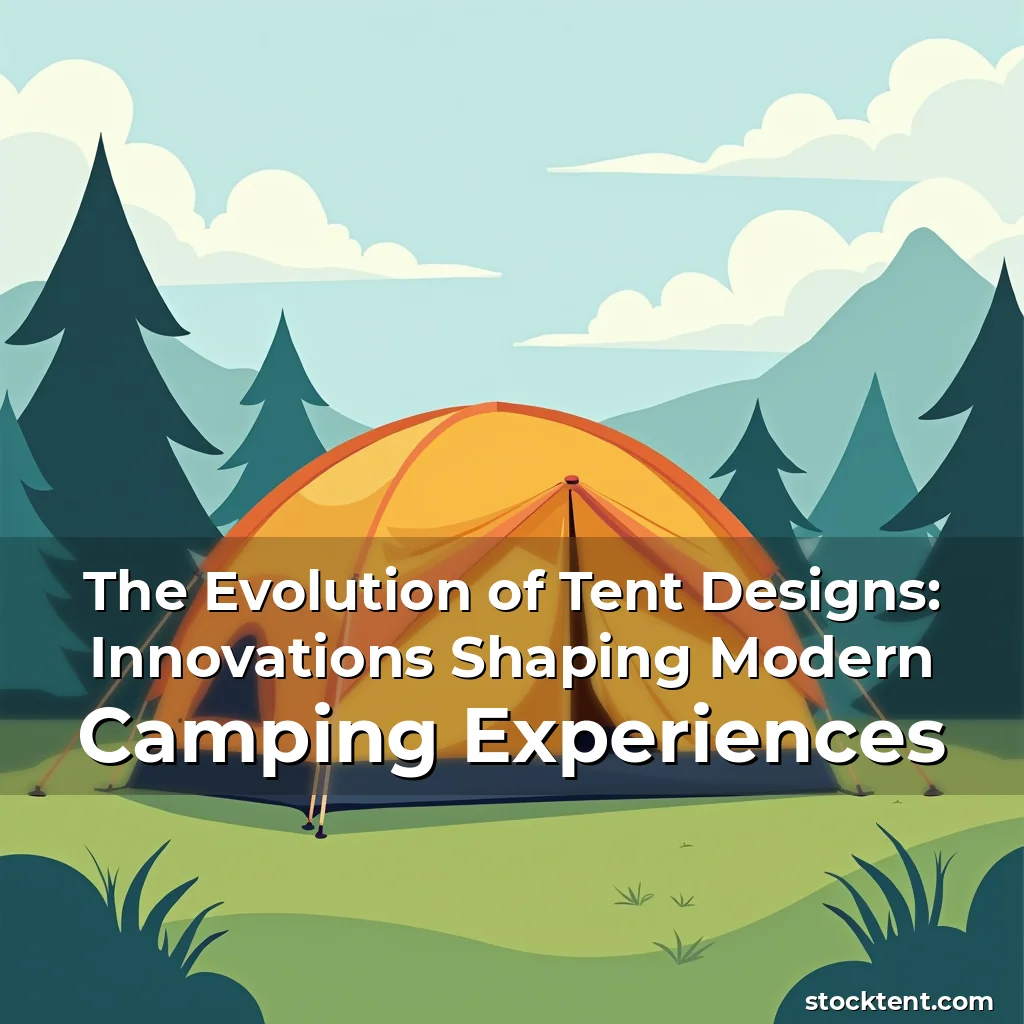
Camping enthusiasts often categorize tents into several types such as dome tents, tunnel tents, cabin tents, and hybrid models. Each category offers distinct advantages tailored towards different scenarios ranging from backpacking trips to family vacations.
- Dome Tents: These are popular among hikers due to their stability against wind forces and ease of setup.
- Tunnel Tents: Ideal for car camping because of their spacious interiors and better weight distribution across poles.
Selecting between these options involves considering factors like portability, space requirement, and expected weather conditions during your trip. For instance, dome tents excel at resisting strong winds but may lack interior volume compared to other styles.
On the flip side, tunnel tents provide ample living area inside yet might be less stable when exposed to heavy gusts unless properly secured with guy lines and stakes.
Material Science Behind Modern Tent Fabrics
The fabric used in constructing a tent plays a crucial role in determining its performance under various environmental conditions. Advances in textile technology have led to the development of lightweight yet durable materials that offer superior protection against elements like rain, UV rays, and even extreme temperatures.
Commonly used fabrics include nylon, polyester, and ripstop materials each having unique properties suited for particular applications within the camping industry. Nylon tends to be more flexible whereas polyester provides greater resistance against abrasion over time.
Ripstop nylon is especially favored for its tear-resistant characteristics; small fibers woven into larger threads prevent rips from spreading rapidly through the fabric layers.
In addition to base materials, coatings applied onto these textiles enhance functionality further by adding waterproofing capabilities without compromising breathability—an essential feature preventing condensation buildup inside enclosed spaces.
Hydrophobic treatments help repel moisture effectively while allowing excess humidity generated by human activity to escape naturally outside the sheltered environment created by the tent structure itself.
Structural Integrity Through Innovative Frameworks
The framework supporting any given tent model determines how well it holds up against external pressures including wind loads and snow accumulation if used seasonally. Traditional aluminum frames remain prevalent although newer composite materials now compete favorably regarding strength-to-weight ratios.
Aluminum remains popular choice owing largely to its corrosion resistance property combined with relatively low cost factor associated with manufacturing processes involved therein.
However, carbon fiber composites represent emerging alternatives offering enhanced rigidity alongside significant reduction in overall mass—making them ideal candidates for ultralight expeditionary gear where every ounce matters critically.
Pole configurations also play pivotal roles influencing aerodynamic efficiency thus affecting susceptibility levels toward toppling risks posed by sudden gusts encountered frequently outdoors.
Some manufacturers employ dual pole systems designed specifically to distribute stress evenly throughout entire frame thereby minimizing chances of buckling under adverse climatic situations.
Eco-Friendly Innovations Reshaping Contemporary Tent Manufacturing
Sustainability concerns increasingly influence decisions made around product creation spanning multiple industries—including those responsible for producing recreational equipment meant primarily for temporary usage periods.
Manufacturers are adopting eco-conscious practices aimed reducing ecological footprint left behind post-consumer utilization phases involving disposal methods traditionally linked waste generation issues related plastic polymers commonly found within contemporary synthetic fabric compositions.
Biodegradable zippers replace conventional metal ones decreasing reliance upon non-renewable resources ultimately contributing positively global efforts combat climate change initiatives worldwide.
Additionally recycled plastics sourced from oceanic debris transformed reusable components integral parts modern day tents thereby promoting circular economy principles beneficial long-term environmental stewardship strategies.
These sustainable choices do not merely serve ethical purposes alone—they also resonate strongly amongst environmentally aware consumers who prioritize green credentials equally important brand loyalty determinants alongside functional attributes provided products sold marketplaces globally.
User Experience Enhancements via Smart Technology Integration
Smart technology integration continues expanding horizons available features incorporated everyday items previously considered rudimentary necessities fulfilling basic survival functions exclusively.
Modern-day tents equipped sensors capable detecting changes atmospheric pressure variations enabling early warnings potential storm formations ensuring occupants sufficient time prepare adequately protect themselves respective dangers looming near vicinity dwellings erected landscapes traversed regularly.
Furthermore temperature regulation mechanisms embedded walls facilitate automatic adjustments internal climates maintaining optimal living standards regardless fluctuating ambient temperatures experienced varying geographical locations visited throughout year cycle.
Integrated LED lighting solutions powered solar panels provide illumination without requiring access electrical grids typically absent remote wilderness areas frequented adventurers pursuing solitude amidst natural surroundings devoid urban infrastructure constraints.
Such smart technologies collectively contribute transforming simple shelters advanced living quarters complete self-sustaining ecosystems mirroring comforts enjoyed domestic settings albeit scaled down proportions suitable portable formats convenient transport storage convenience seekers value highly.
Aesthetic Considerations Influencing Consumer Choices Regarding Outdoor Shelter Selections
While practicality undeniably dominates primary considerations driving purchases related camping essentials, aesthetic appeal gradually gaining traction importance deciding final selections preferred brands models displayed shelves retail outlets online platforms alike.
Color schemes employed exterior finishes significantly impact visual aesthetics perceived quality assurance conveyed instantly observers encountering unfamiliar products presented marketplace avenues.
Vibrant hues bold patterns attract attention younger demographics seeking expressive identities through fashion statements manifesting personal tastes reflected clothing accessories utilized daily routines maintained indoors homes extended beyond boundaries familiar territories explored adventures undertaken weekends holidays spent exploring wild expanses Earth’s surface.
Conversely subdued tones muted palettes cater mature audiences preferring understated elegance synonymous sophistication discretion appreciated individuals valuing minimalistic approaches life prioritizing experiences rather possessions accumulating clutter unnecessary burden carried wherever journeys embarked upon.
Thus blending functionality form becomes imperative challenge designers face crafting appealing designs satisfying multifaceted demands clientele comprising broad spectrum personalities backgrounds interests represented communities engaged active lifestyles pursuit recreation relaxation immersion pristine environments untouched mankind’s encroachment.
Future Trends Anticipated Within Tent Industry Landscape
Looking ahead, future trends indicate continued emphasis placed innovation sustainability aligning closely evolving expectations consumers demanding higher standards performance reliability simultaneously conscious environmental responsibilities upheld consistently throughout lifecycle ownership tenure associated goods purchased consumed responsibly disposed after service lives concluded appropriately.
Advances nanotechnology promising breakthroughs enhancing protective qualities existing materials improving longevity lifespan shelters constructed employing cutting-edge methodologies pioneered laboratories dedicated research developmental activities focused achieving milestones previously deemed unattainable limitations imposed traditional construction techniques.
Moreover modular designs likely become prominent trend catering users desiring flexibility adapting configurations according specific needs arising spontaneous circumstances encountered unpredictable terrains navigated throughout expeditions conducted across globe.
With increased demand personalized experiences emerges concept customizable tents allowing customers tailor aspects color scheme layout interior fittings reflecting individual preferences ensuring uniqueness ownership distinguished ordinary offerings readily accessible mass production channels dominating current commercial sectors.
Ultimately convergence technological progress ecological awareness cultural shifts propelling forward momentum shaping tomorrow’s landscape tent industry poised revolutionize ways humanity interacts nature through improved means accommodation exploration discovery pursued passionately millions worldwide.
Conclusion
The journey through the evolution of tent designs reveals a dynamic interplay between tradition and innovation. As we’ve seen, modern tents are not just shelters but sophisticated solutions crafted to enhance our connection with the great outdoors.
By embracing new materials, smart technologies, and sustainable practices, we can ensure that future generations continue enjoying the beauty of nature safely and comfortably. The next time you set up camp, consider what makes your chosen tent special and how it contributes to your outdoor experience.