
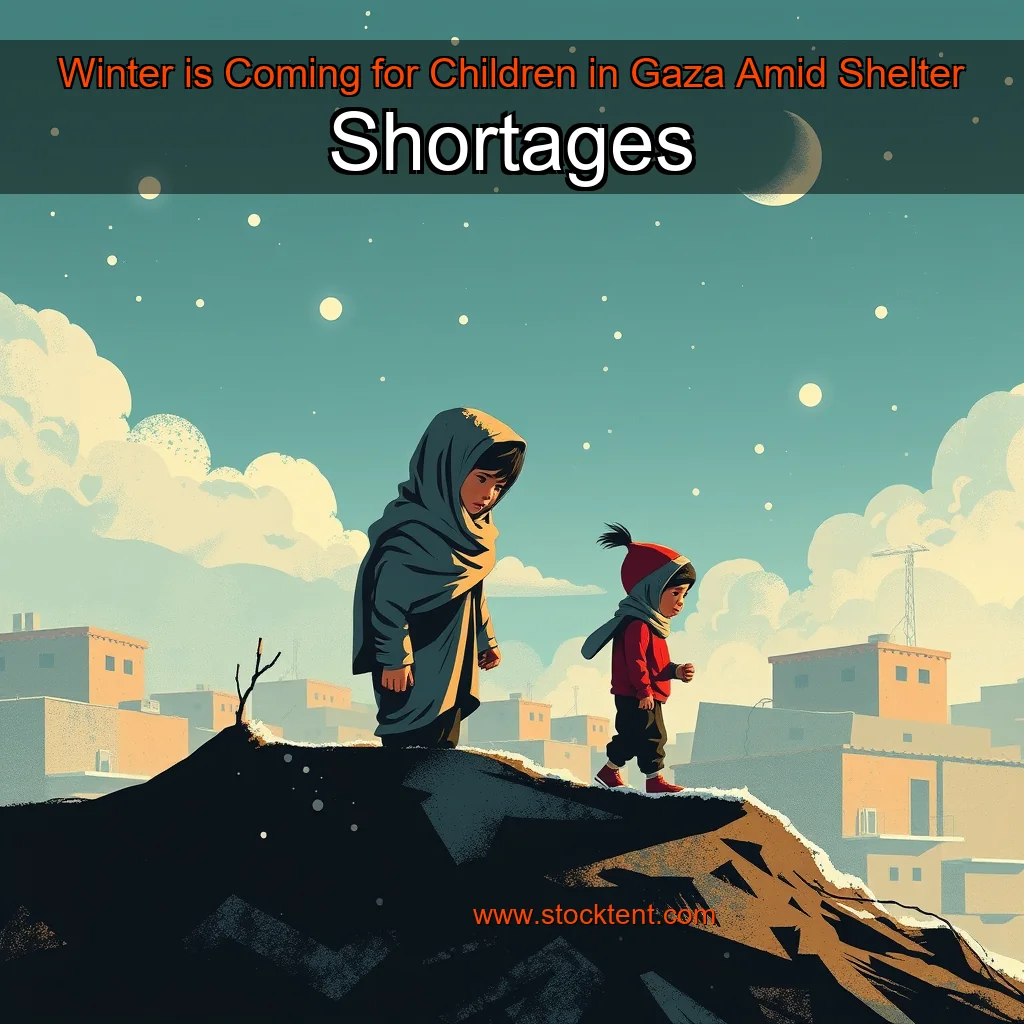
The situation is dire, and the international community must take immediate action to address the humanitarian crisis unfolding in the Gaza Strip.
The Humanitarian Crisis in Gaza
The Gaza Strip is one of the most densely populated places on earth, with over 2 million people living in a territory of approximately 360 square kilometers. The war has left the region in shambles, with widespread destruction of homes, infrastructure, and essential services.
The Humanitarian Crisis in Gaza
Gaza, a coastal region in the Middle East, has been embroiled in a decades-long conflict between Israel and Palestinian factions. The humanitarian crisis in Gaza has worsened in recent years, with the population facing severe shortages of food, water, and medical supplies. The situation is further complicated by the COVID-19 pandemic, which has exacerbated the existing health challenges.
The Impact on Newborns and Mothers
The lack of access to healthcare in Gaza has severe consequences for newborns and their mothers. Without proper medical care, mothers are at risk of complications during childbirth, including hemorrhaging and infection. In some cases, mothers have been forced to undergo cesarean sections without anesthesia, which can lead to severe pain and long-term health problems. The shortage of aid has also led to a lack of essential medical supplies, including:
- Medications for newborns and mothers
- Equipment for delivering babies
- Sanitary products for mothers
The Humanitarian Response
The international community has responded to the humanitarian crisis in Gaza with various initiatives and aid programs.
These makeshift structures are often inadequate and can be easily destroyed by strong winds or heavy rainfall.
The Humanitarian Crisis in Nuseirat Camp
Nuseirat camp, located in the Gaza Strip, is a sprawling refugee camp that has been in operation since 2007. The camp is home to over 18,000 Palestinian refugees, who have been living in dire conditions for over a decade. The humanitarian crisis in Nuseirat camp is a pressing concern, with many residents facing severe shortages of food, water, and shelter.
Living Conditions
The Role of International Aid
Despite the dire conditions in Nuseirat camp, international aid organizations have been working tirelessly to provide assistance to the residents.
Millions of women and children in South Sudan are struggling to survive amidst a devastating humanitarian crisis.
Her husband had left her and the children several months ago, and she was struggling to make ends meet. Mona’s situation was not unique; millions of women and children in South Sudan are facing similar challenges due to the ongoing conflict and displacement.
The Humanitarian Crisis in South Sudan
South Sudan, a country in East Africa, has been embroiled in a devastating conflict since 2013. The conflict has resulted in the displacement of millions of people, including women and children, who are struggling to access basic necessities like food, water, and shelter. The humanitarian crisis in South Sudan is characterized by:
Mona’s Story
Mona’s situation is a reflection of the broader humanitarian crisis in South Sudan. Despite her best efforts, Mona is struggling to provide for her children. She is forced to rely on aid from local organizations to survive, but the aid is often inadequate and unreliable. Mona’s story is a testament to the resilience of women and children in the face of adversity.
Challenges Faced by Mona
The Humanitarian Crisis in Gaza
The Gaza Strip, a coastal region in the Middle East, has been plagued by a humanitarian crisis for decades. The region’s unique geography, with its narrow strip of land bordering Egypt and Israel, has made it vulnerable to natural disasters and conflicts. The Gaza Strip’s population, which is approximately 2 million people, is densely packed and lacks access to basic necessities like clean water, sanitation, and healthcare.
The Impact of Flooding on Gaza’s Infrastructure
The recent flooding in Gaza has exacerbated the existing infrastructure challenges in the region. The heavy rainfall has caused widespread damage to homes, roads, and other critical infrastructure, leaving many residents without access to basic services like electricity, water, and sanitation. The flooding has also affected the region’s agricultural sector, which is a significant contributor to the local economy. The damage to homes and infrastructure has left many families without shelter, forcing them to seek temporary accommodation in overcrowded and unsanitary conditions. The lack of access to basic services has also had a significant impact on the mental health of residents, with many experiencing anxiety and depression due to the uncertainty and insecurity of their living situation.
The Health Risks Facing Women and Children
The flooding in Gaza has also had a devastating impact on the health of women and children. The lack of access to clean water and sanitation has led to a significant increase in waterborne diseases, including cholera and typhoid fever. Pregnant women and new mothers are particularly vulnerable to these diseases, as they are more susceptible to infection and have a higher risk of complications during pregnancy and childbirth.
The situation is further complicated by the blockade, which restricts the movement of people and goods, including medical supplies and equipment.
The Humanitarian Crisis in Gaza
Gaza, a coastal region in the Middle East, has been embroiled in a humanitarian crisis for decades. The ongoing Israeli-Palestinian conflict has resulted in a devastating impact on the civilian population, particularly women and children. The lack of access to basic necessities like healthcare, clean water, and sanitation has created a dire situation.
The Blockade and Its Consequences
The Israeli blockade of Gaza has been in place since 2007, restricting the movement of people and goods, including medical supplies and equipment. This has had a profound impact on the healthcare system in Gaza, making it impossible for medical professionals to receive the necessary training and equipment to provide quality care. The blockade has also led to a severe shortage of medical supplies, including: + Medications + Surgical equipment + Diagnostic tools + Personal protective equipment (PPE)
+ Delays in treatment and diagnosis + Reduced quality of care + Increased risk of infection and disease
The Impact on Women and Children
The blockade has had a disproportionate impact on women and children, who are already vulnerable due to their limited access to healthcare.
The Challenges of Postpartum Recovery in Gaza
Gaza, a coastal region in the Middle East, has been embroiled in conflict and poverty for decades. The ongoing Israeli-Palestinian conflict has led to a severe humanitarian crisis, affecting the lives of millions of Palestinians, including mothers and newborns. Postpartum recovery is a critical period for new mothers, requiring adequate care, support, and resources to ensure a healthy and safe environment for both the mother and the baby. However, in Gaza, the challenges of postpartum recovery are exacerbated by the region’s dire economic and social conditions.
Economic Constraints
The economic constraints in Gaza are particularly challenging for new mothers, who are already vulnerable to postpartum depression. The lack of access to healthcare services, including prenatal care and postpartum check-ups, increases the risk of complications during childbirth and postpartum.

news is a contributor at StockTent. We are committed to providing well-researched, accurate, and valuable content to our readers.